

The United States and various Arab nations mediated that a limited humanitarian ceasefire be proposed after over two years of brutal conflict between the regular army (SAF) and the paramilitary Rapid Support Forces (RSF) of Sudan.
The RSF publicly indicated willingness to accept the plan, and the international community was literally buzzing; yet there are concerns as to what the pause would actually translate to the realities on the ground.
Is this a genuine measure to defend civilians and provide assistance, or a strategic maneuver by the RSF to enhance its bargaining capacity and modify the battlefield? This article describes the concept, the interests, and the probable results in understandable practical terms.
What is the “humanitarian pause”?
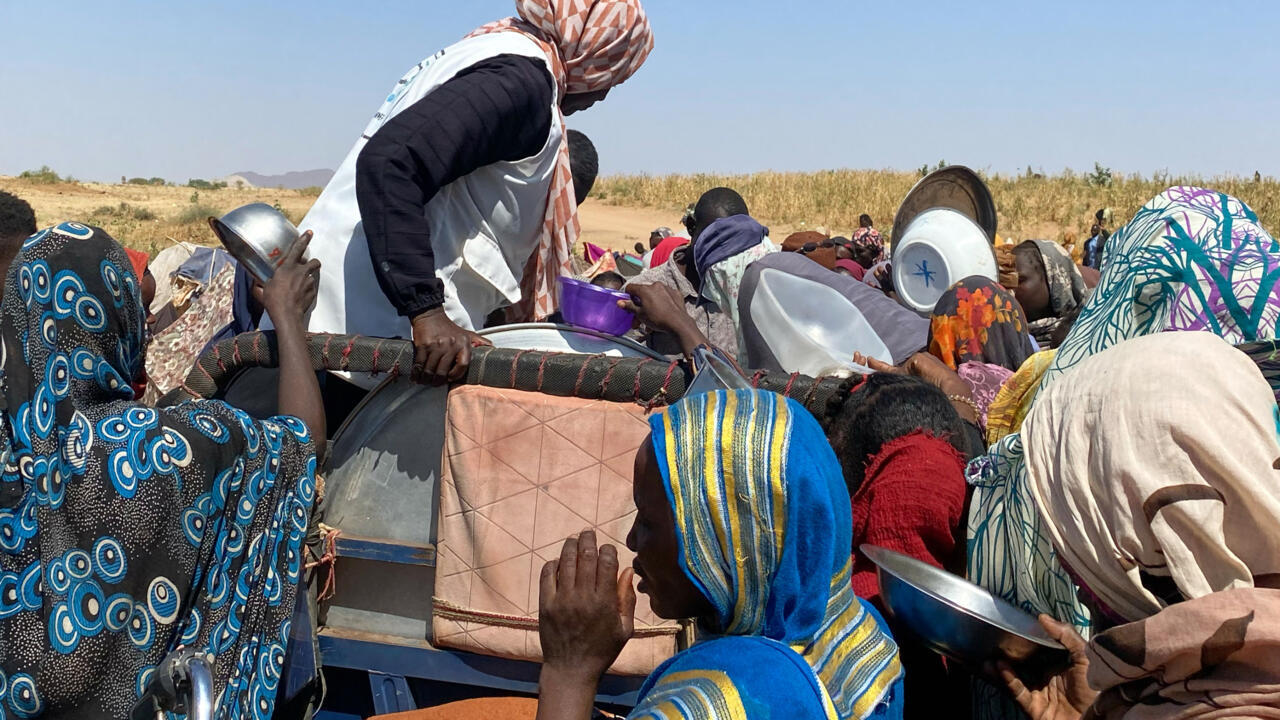
The term “humanitarian pause” means a short break from fighting so that people can get the help they urgently need. It is not a complete peace agreement but a temporary ceasefire of large-scale attacks. It is aimed at allowing aid organizations to provide food, medicine, and other resources to war-cut-off regions. It is also used to evacuate the injured, children, and the elderly safely out of the hazardous areas.
Diplomats and peace mediators may attempt to reconcile both sides during this period so as to discuss a longer cease fire or a political solution. In the case of Sudan, the Rapid Support Forces (RSF) indicated it agrees to a U.S.-sponsored proposal of this suspension. They were also willing to hear how to stop the current violence and transition to peace. The silence is to minimize human suffering, even on a temporary basis.
Why the pause matters- the humanitarian reality
El-Fasher in North Darfur which is part of the western Sudan in particular has been characterized by brutal siege and mass displacement. There has been recurring warnings by humanitarian agencies that localities are at risk of starvation, mass displacement, and displaced person camps assault. The safe corridors and emergency relief have been demanded by the U.N., UNICEF and aid organizations as hunger and disease levels increase among children and civilians caught in the combat areas. These warnings underline why any pause to let food, medicine and fuel through would save lives.
Why some see the RSF move as a power play
While a humanitarian pause would help civilians, several factors suggest the RSF’s acceptance may also serve strategic aims:
- Consolidating gains and buying time. A pause can allow forces to fortify positions taken during recent offensives, replenish supplies, or reorganize units without sustaining fresh attacks. After months of fighting and a focus on Darfur, the RSF may use a stop in fighting to lock in territorial control.
- International legitimacy and bargaining leverage. Agreeing publicly to a U.S.-backed plan puts the RSF in a position to claim it supports humanitarian norms. That can complicate international pressure on the group and may let the RSF demand political concessions in return for an extended truce.
- Fragmenting the opposition. Temporary pauses can also split opponents; local militias, resistance committees, and the SAF; who may disagree about terms. The RSF might exploit these divisions to negotiate from strength later.
These dynamics don’t mean the RSF is indifferent to civilian suffering, but they show why cautious analysts treat the acceptance as both humanitarian and tactical.
Why the Sudanese army and others are wary
The Sudanese army and several nearby countries are being very careful and even doubtful about the idea of a “humanitarian pause.” The Sudan Armed Forces (SAF) have said they will only agree to any kind of truce if the Rapid Support Forces (RSF) first pull out from cities and towns where people live and also give up their heavy weapons.
However, this is something the RSF is not likely to do quickly or easily. Because of this, trust between the two sides remains very low. Some neighboring countries and international partners also fear that if the pause happens without strong monitoring or proper enforcement, the fighting and war crimes might secretly continue.
They worry that the “pause” could simply give one side time to regroup or strengthen itself, rather than bringing real relief or peace to the Sudanese people.
Practical obstacles to making a pause work
Even with both sides’ words, several practical problems could block effective delivery of aid:
- Access and verification. Aid agencies must be allowed secure, sustained access to towns and camps. Local commanders or armed groups may block convoys or target routes. Independent monitors are needed to confirm compliance; something hard to guarantee in the heat of war.
- Protection of civilians and humanitarian workers. There are frequent reports of attacks on camps and aid convoys. Without credible guarantees, humanitarian staff will be reluctant to operate in newly “paused” zones.
- Fragmented command and control. Both the RSF and elements inside the SAF do not always have full control over fighters on the ground. Local commanders may ignore central orders, undermining any agreement.
What the international community can (and should) do
If the pause is to save lives rather than cement conquest, outside actors need to press for:
- Clear, enforceable terms. Pause agreements must say where and for how long, who controls checkpoints, and what counts as a violation. Short, vague promises are easy to break.
- Independent monitoring. Neutral observers; ideally from regional bodies, the United Nations, and trusted NGOs; must verify compliance and report violations quickly.
- Safe humanitarian routes and escorts. Aid corridors should be agreed in detail, with security guarantees for convoys and hospitals, and an ability to rapidly investigate any attacks on civilians or aid workers.
- Link to a genuine political process. A pause should be a bridge to inclusive talks on governance and civilian protection, not an endpoint used to freeze the front line. Mediators must work fast to translate temporary calm into durable political arrangements.
Possible scenarios
- Best case: The RSF and SAF accept strict terms; monitors and humanitarian agencies reach besieged populations; immediate deaths and malnutrition fall; negotiations start that could lead to a longer ceasefire.
- Likely case: Short relief reaches some populations but access remains partial. Fighting resumes in contested towns. Each side blames the other for violations, and momentum for long-term talks fades.
- Worst case: The pause is used to entrench military gains. Aid is looted or blocked. Violence intensifies once the pause ends, and the humanitarian crisis deepens; possibly including large-scale atrocities that international courts and agencies would later examine. Recent reporting about atrocities in Darfur raises the stakes of this last outcome.
Conclusion
Humanitarian pause might prove to be a lifeline in the real sense of Sudan as long as it really assists in food, medicine and protection delivery to millions of suffering people in the conflict. But the fact that the RSF had agreed to this pause does not imply that they are completely committed to peace.
History and the present day reveal that these breaks are usually taken not just to rest, but also to acquire military or political benefits. It will be the true test in the days ahead; will aid cars really reach the hungry families, will medical units be able to enter the stricken war areas, and will independent observers be permitted to verify that the aid is reaching the people.
When this occurs, the withdrawal may give hope and open doors to peace negotiations. But if not, it might only turn into another empty promise that leaves Sudanese civilians suffering once again.